Involvement
The Littlest Ones (approximately 3 to 5 years, or the first several months)
Parents will sometimes ask how to engage a very young child at the piano—and the good news is that at this age, exploration counts as success.
The most important goal in this early time is simply to build a predictable, pleasant routine.
Here are a few guiding ideas:
- Sit with your child every day and enjoy discovering the instrument together.
- Establish a consistent time for piano: for example, 2:00 to 2:15 every afternoon is “piano time”. It’s not TV time, snack time, or Lego time—just a gentle, non-negotiable routine.
- Don’t worry about “accomplishments” yet. In the beginning, the habit matters far more than productivity.
- Explore the piano together: high vs. low, loud vs. soft, black keys vs. white keys, right hand and left hand.
- Practice finger numbers (thumb is 1, index is 2…) through games and simple activities.
- Bring a favorite stuffed animal to “teach” about high/low, strong/gentle, black/white—young children adore this, and it anchors learning through play.
- Sing, clap, "play" along with a favorite song... anything enjoyable and musical at the piano is the goal.
At this stage—and truly throughout the first year—piano time = playtime. If the routine is established now, real musical progress naturally follows.
Very Young Students (5 to 7 years, or the first few years of study)
Playtime! In the early stages of study, learning through play remains essential. The youngest students will require a parent to sit
with them during their daily practice, and it is critical that parents observe lessons in order to guide the child at home. Sometimes, a child will focus
better one on one with the teacher; in this case, the parent should reserve the last five minutes of each class to make notes on what is expected for
the week. Making a quick video for this purpose is strongly recommended, and can help piano time feel like playtime at home.
Progression
As they progress, students gradually begin taking on more responsibility for directing their own practice.
During these years, the parental role shifts from hands-on guidance to steady encouragement and gentle oversight—helping
your child use their daily practice time well.
A balanced week usually includes:
- reviewing familiar pieces
- carefully working through new assignments
- leaving space for creativity and “noodling” around. (Yes, really!)
Carving out time for creative exploration nurtures musical curiosity, and is just as important as thoughtful practice on current goals. The ideal balance will look different for every child. There’s no single right way to progress; what matters most is consistency, support, and an atmosphere that keeps music meaningful.
Older Students As a student enters their preteen and teenage years, it's important that music studies are a pursuit that happens with increasing independence. Provided the student has previously established an effective practice routine, teens will benefit from the confidence you place in them, the pride they take in their accomplishments, and the trust they build in their own abilities.
Also around this age, interests can begin to shift and broaden. Perhaps a student develops an interest in different styles of music—rock, jazz, pop. Some feel a pull toward competitions or more serious study; still others may shift into an adjacent activity, like ensemble playing or composing. For many, music-making becomes a steady, low-key activity purely for enjoyment. Whatever the ultimate goal, a measure of autonomy is both healthy and meaningful, and will show your teen that making music is truly theirs.
Inspiration & Insights
Why Study Music?
There are many excellent reasons to learn music, at any age.
Making music is an
extraordinary mental workout—it engages more parts of the brain simultaneously than any other human activity.
Research continues to show the
remarkable benefits of learning an instrument for growing minds: strengthening focus, memory, emotional well-being, coordination, and even
lifelong brain plasticity.
Plus, your brain on music just feels great.
The most compelling reason, I think, comes from Dr. Karl Paulnack, Dean of the Ithaca College School of Music and former Director at Boston Conservatory. In a welcome address to the parents of Boston Conservatory’s 2004 incoming class, he offered one of the clearest and most moving reflections on the role of music and why it matters—not just as an academic subject, but as a human necessity. I invite you to read his address here. It remains one of the most eloquent statements ever written about the meaning and purpose of music in our lives.
Supporting Your Young Musician
Encouraging your child's first steps in music can feel both exciting and unfamiliar.
Sometimes it helps to hear from someone who understands the joys and challenges of the early stages of music study.
Elissa Milne, an insightful Australian pianist, teacher, and writer, has created some of my favorite resources for parents of young beginners. Her articles are thoughtful, practical, and genuinely encouraging.
You might enjoy:
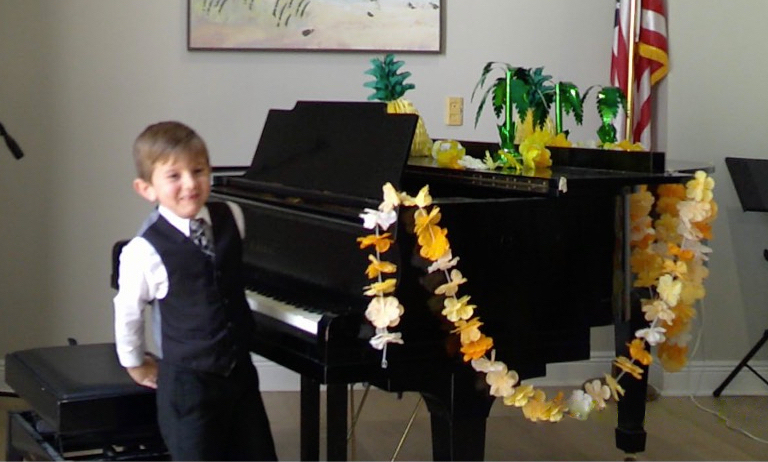
Victories Great and Small
In the rhythm of weekly lessons and daily practice, it’s easy to overlook the many wonderful “little moments” there are where something truly meaningful “clicks”.
A smooth shift in hand position, a tricky rhythm finally mastered, a beautifully-phrased melody—these steps may look small, but are anything but.
They are the product of enormous neurological, physical, emotional, and artistic development, all integrated and creating something bigger than the sum
of its parts—and that is worth celebrating!
Every child’s journey is unique. Some milestones are big and dramatic while others are quiet and subtle. But each one represents a personal triumph, and a deeper connection to music. Taking a moment to pause and savor these joys can make the whole experience richer—for both you and your young musician.
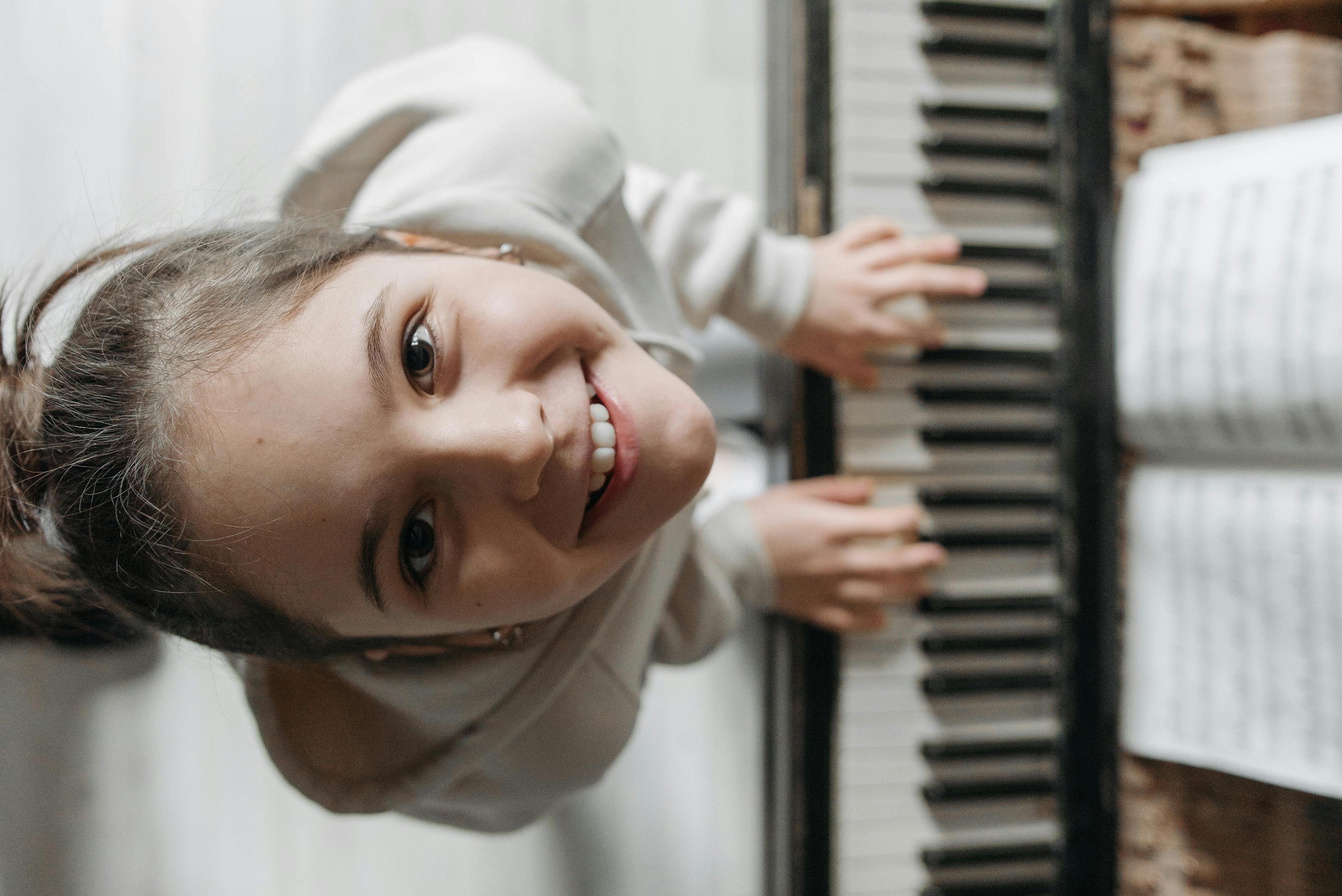
This Journey Is Beautiful
Parents often share how surprised—and delighted—they are to watch their child fall in love with music. There’s something magical about seeing motivation
spark from within: when a child can't wait to sit down at their instrument, proudly shows a new skill, or suddenly plays something with focus and heart. These moments carry so much meaning.
Over time, these small moments add up to something remarkable. Parents often find themselves marveling not just at what their child can play, but at who they’re becoming through music—confident, expressive, artistic. It’s a joy to watch them blossom, and a privilege for me to share in it with you.